Cardiac arrests can be unpredictable; they can occur at any time and in any place. Without immediate medical attention, the situation can quickly turn fatal. According to a report from the U.S. Occupational Safety and Health Administration, there are about 10,000 cardiac arrests in the workplace each year in the United States. That’s why CPR is an important skill for designated employees to learn, so they can respond effectively in an emergency.
But the benefits of CPR training extend beyond emergency response. It can also be part of a company’s broader approach to workplace safety and risk management, helping employees feel more prepared to act when an incident occurs. For employers, investing in CPR and first aid training may also offer potential financial benefits by helping manage workplace risks and, in some cases, reduce certain insurance costs.
In this blog, we explore what CPR is, how it contributes to a safer workplace, and why training employees can benefit both the people in your workplace and the business as a whole.
What is CPR?
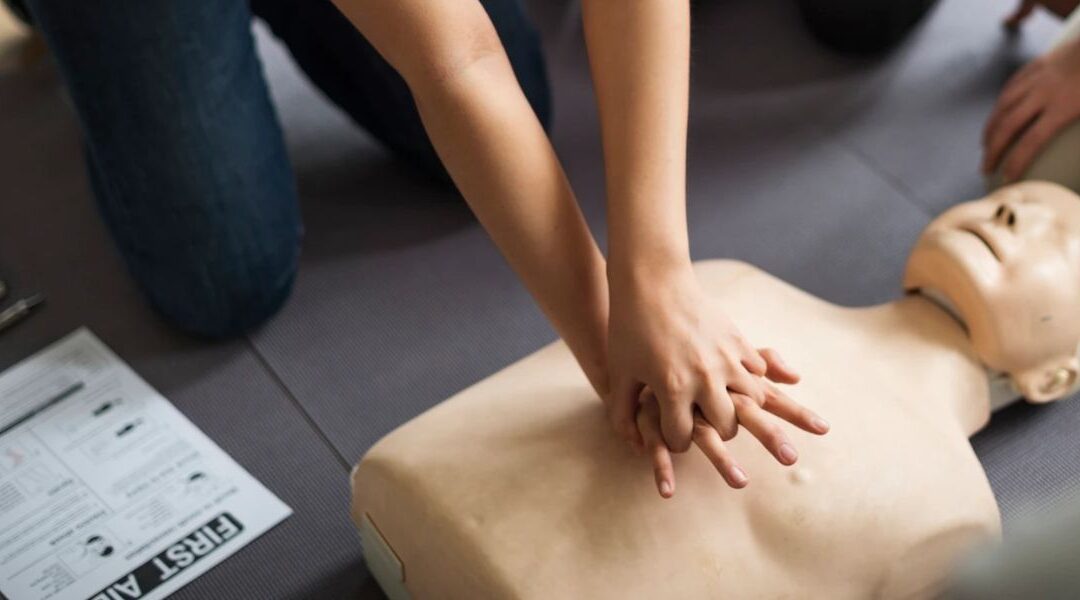
CPR, or Cardiopulmonary Resuscitation, is a medical technique used in emergency situations to restore breathing and circulation to someone whose heart has stopped or who has stopped breathing. CPR involves a combination of chest compressions to manually pump blood throughout the body and rescue breaths to provide oxygen to the lungs. The goal of CPR is to maintain blood flow and oxygen to vital organs until medical help arrives. By performing CPR, you can keep a person’s brain and other organs alive until medical professionals can take over.
How CPR Training Creates a Safer Workplace
CPR is an important skill to learn, especially in the workplace, where medical emergencies can happen at any time. Heart attacks, choking, and accidents can lead to cardiac arrest and require immediate action. Having employees trained in CPR increases the likelihood that someone can respond quickly when an emergency occurs. According to the American Heart Association, immediate CPR can double or even triple the chances of survival after cardiac arrest.
However, the benefits of workplace CPR and first aid training extend beyond emergency response. Preparing employees to act quickly can also support a company’s broader workplace safety and risk management efforts. These benefits may include:
Reducing the severity of incidents
Prompt action can help address medical emergencies before they become more serious.
Strengthening workplace safety practices
Training helps employees feel more confident responding to emergencies and reinforces a proactive approach to safety.
Managing potential liability risks
Employee preparedness can be one part of a broader strategy to reduce workplace risks and limit the potential impact of incidents.
Potentially reducing certain insurance costs
Depending on the insurer, policy, industry, and claims history, businesses may qualify for safety-related discounts on workers' compensation or commercial liability insurance.
While CPR training alone cannot prevent every emergency or guarantee insurance savings, it can be a valuable part of an organization’s overall safety strategy.
How CPR Training Can Help Manage Workplace Risks and Costs
CPR and first aid training can strengthen workplace safety by preparing employees to respond quickly to medical emergencies. Along with other safety initiatives, this training can help businesses manage workplace risks, which may also affect their insurance costs.
For example, workers’ compensation premiums are influenced by a company’s industry, payroll, and history of workplace injury claims. Insurers also use an Experience Modification Rate (E-Mod) to compare a company’s claims history with similar businesses. Companies with fewer or less costly claims than expected may qualify for lower premiums, making workplace safety an important part of long-term risk management.
General estimates for safety-related insurance savings include:
These figures are general estimates, not guaranteed savings from CPR training alone. Actual savings depend on the business, insurer, policy, and claims history. However, incorporating CPR and first aid training into a broader safety program may help businesses manage workplace risks and costs over time.
Employee group health insurance works differently, with premiums generally based on overall claims history, workforce demographics, and plan design. Employers can consult their insurance broker to learn about available safety-related discounts and how workplace training may affect their coverage.
Investing in Safety: OnSite Health’s CPR Training
Preparing employees to respond to medical emergencies is an important part of creating a safer workplace. OnSite Health offers CPR training led by experienced, certified nurses, with hands-on instruction and AED training to help employees build the knowledge and confidence to respond when emergencies occur.
Through comprehensive training programs, OnSite Health helps businesses equip their teams with essential emergency response skills while reinforcing their commitment to workplace safety. Investing in CPR training can help protect employees, strengthen workplace preparedness, and support a proactive approach to managing risk. Don’t wait until an emergency happens to prepare your team. Contact OnSite Health to learn more about CPR training options for your workplace.